

India has entered a new phase in direct taxation.
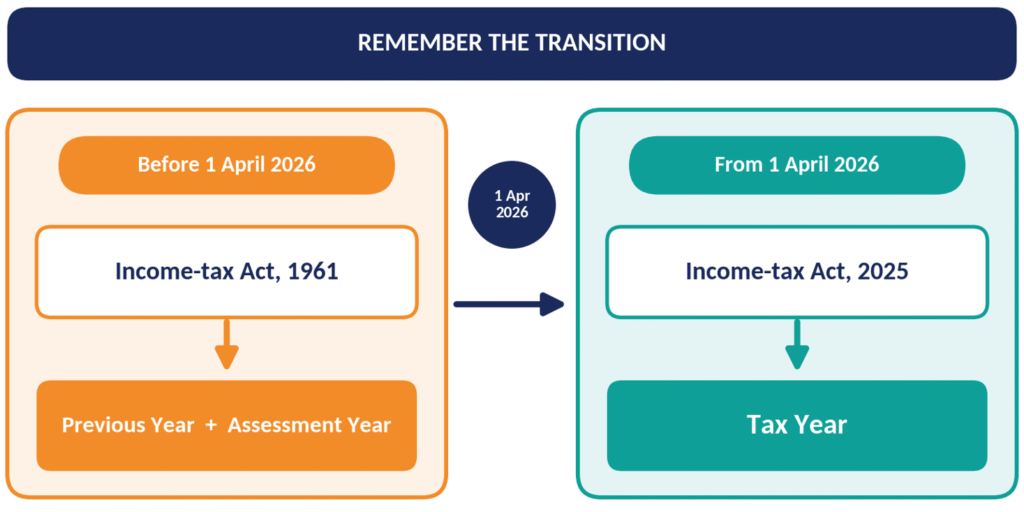
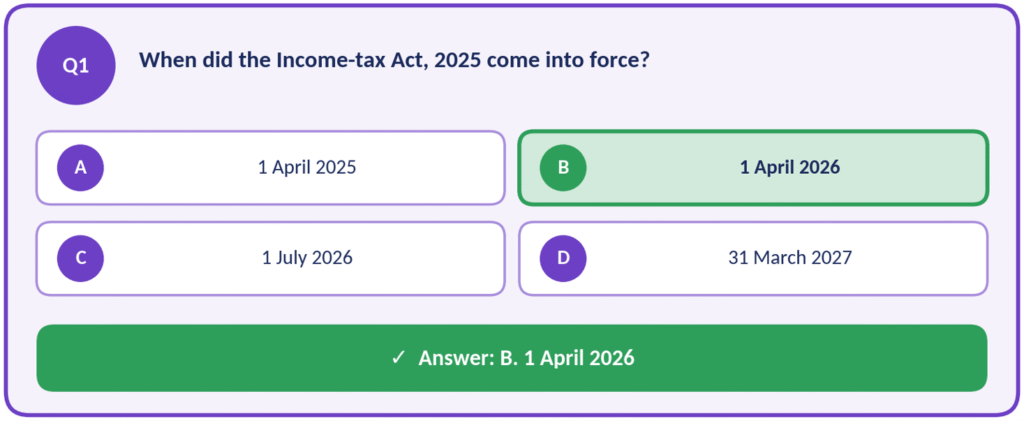
The Income-tax Act, 2025 replaces the Income-tax Act, 1961, bringing a new legislative framework for taxation in India. The new Act came into force on 1 April 2026 and applies to income relating to Tax Year 2026–27 onwards. At the same time, the earlier law continues to govern tax years beginning before 1 April 2026 through detailed transition and savings provisions.
For students and taxpayers, the change is important—not simply because a new Act has arrived, but because the language, structure and terminology of income-tax law have been redesigned.
1. Why a New Income-tax Act?
The Income-tax Act, 1961 evolved over more than six decades through numerous amendments, explanations, provisos, judicial interpretations and cross-references.
Over time, this made the legislation increasingly difficult for an ordinary taxpayer to navigate.
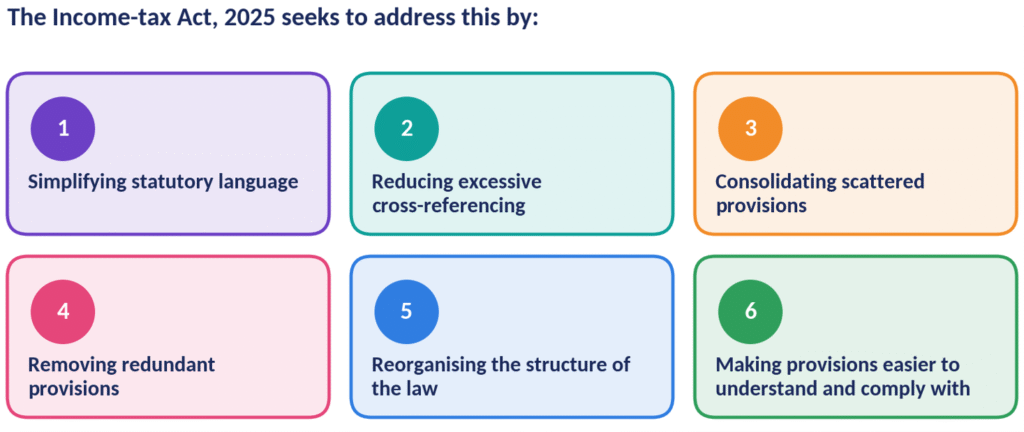
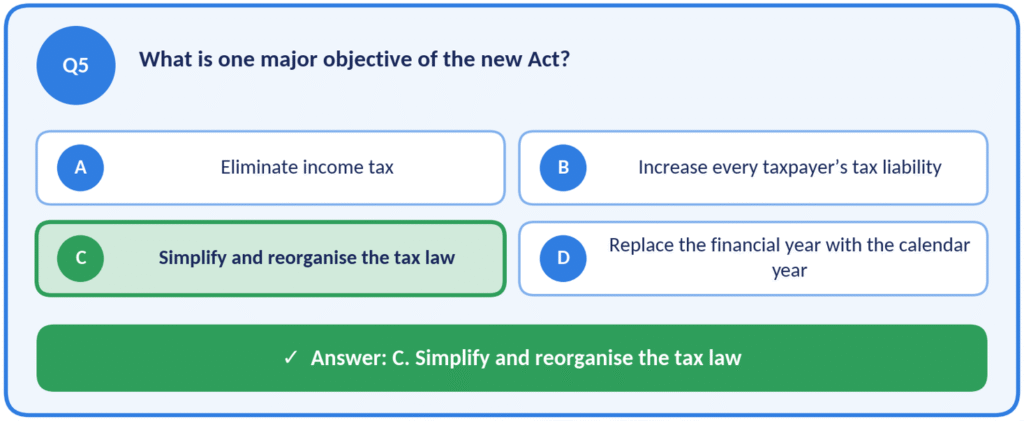
The Income Tax Department describes the objective as improving structural clarity and reducing interpretational complexity rather than introducing a new tax or automatically increasing the tax burden.

2. The Biggest Terminology Change: ‘Tax Year’
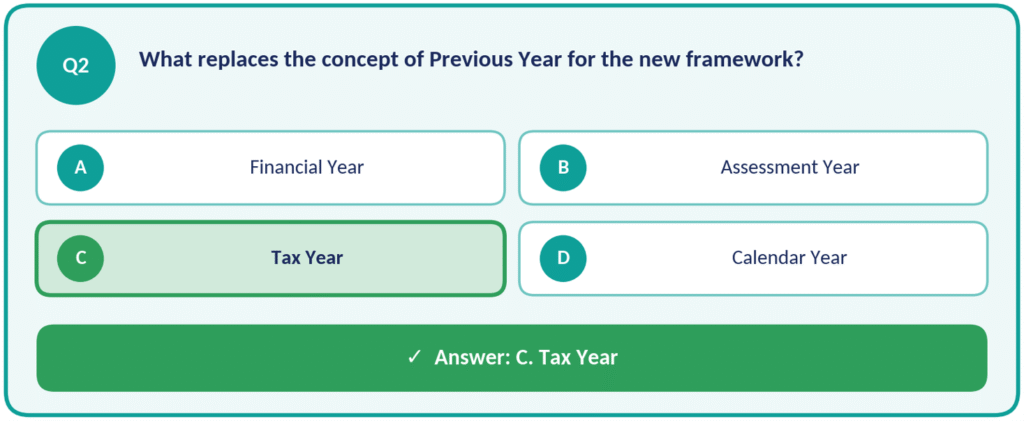
Perhaps the most noticeable change is the replacement of the traditional Previous Year (PY) and Assessment Year (AY) terminology.
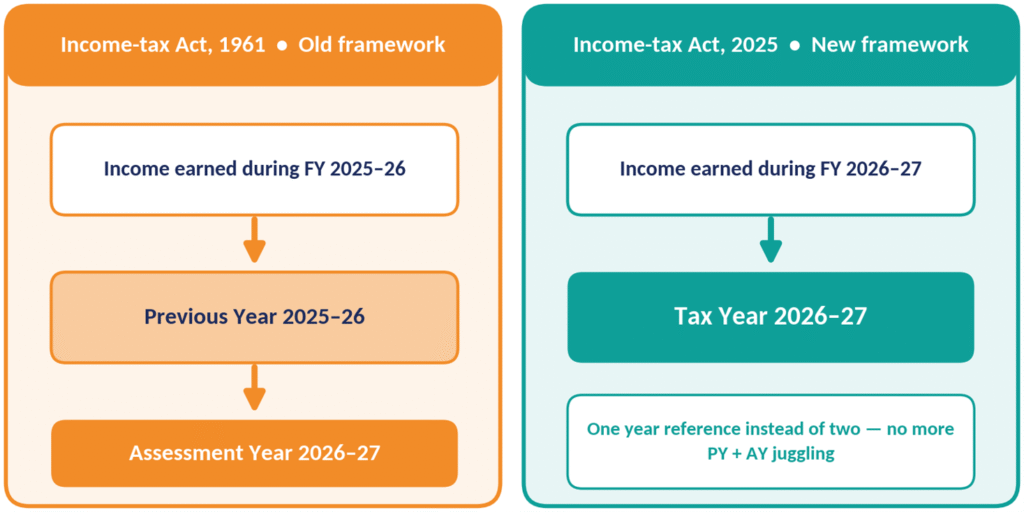
The new Tax Year broadly corresponds to the previous year under the old Act. It is a period of twelve months contained in a financial year.
This removes the need for taxpayers to constantly work with two different year references.
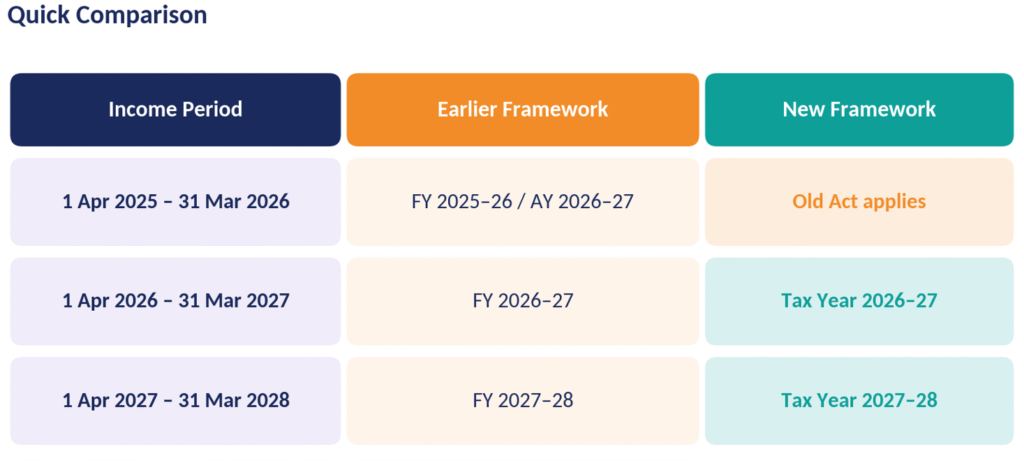
There is therefore no missing year and no overlap during the transition
3. The Income-tax Act, 1961 Has Not Simply ‘Disappeared’
A common misunderstanding is that once the 2025 Act came into force, every matter under the 1961 Act automatically moved to the new law.
That is not correct.
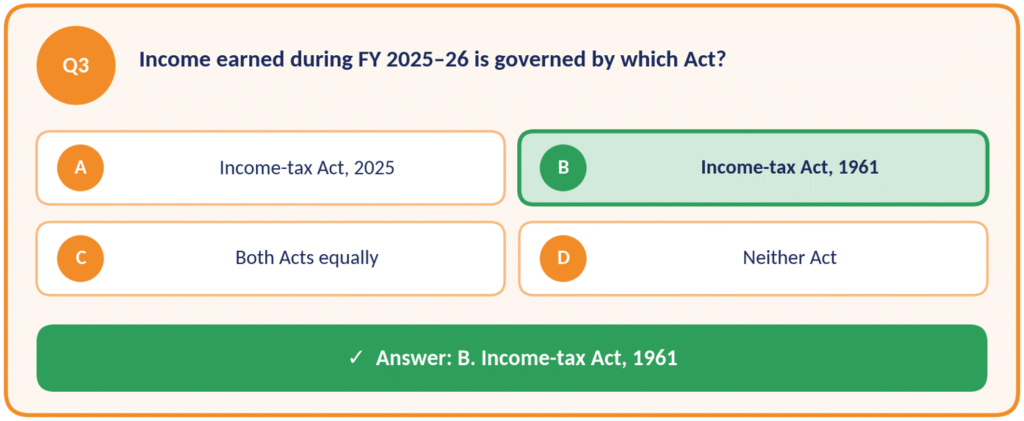
The 1961 Act was repealed from 1 April 2026, but its provisions continue to apply to tax years beginning before that date under the savings and transitional provisions.
For example, income relating to FY 2025–26 continues to be governed by the 1961 Act and is dealt with as AY 2026–27.
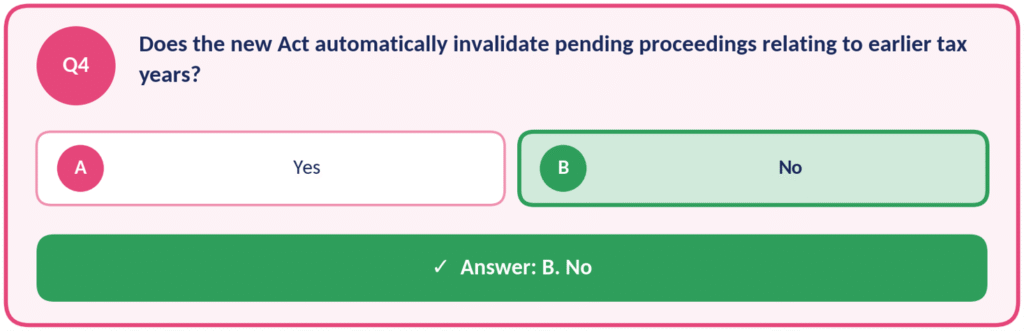
Similarly, pending assessments, reassessments, appeals, penalties and other proceedings relating to earlier tax years can continue under the old Act.
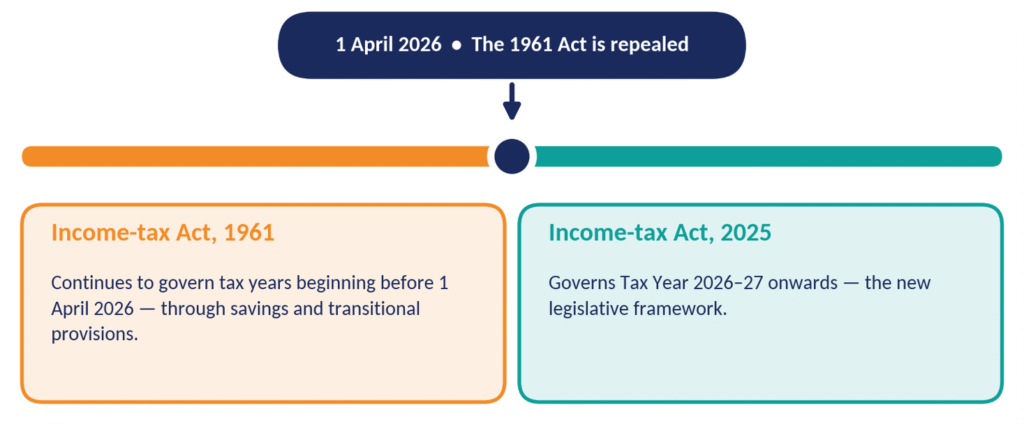
This means that, during the transition period, taxpayers and professionals may need to work with both frameworks simultaneously.
4. A Major Structural Change
The new Act is considerably more compact in its structure. According to the Income Tax Department: the Income-tax Act, 1961 has 819 sections and 14 schedules, while the Income-tax Act, 2025 has 536 sections and 16 schedules
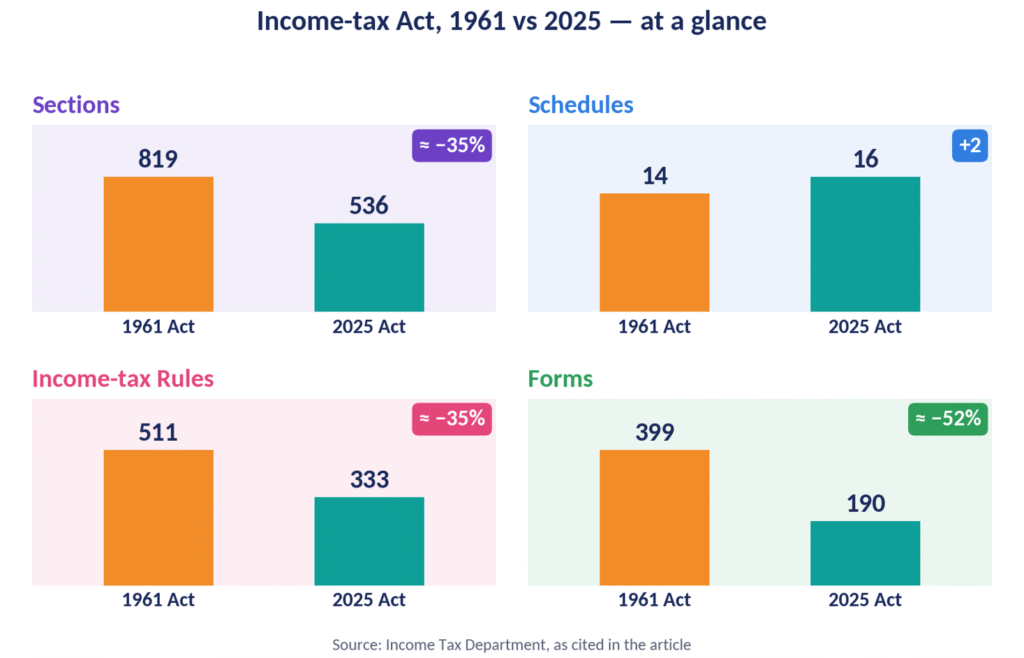
The new framework incorporates many explanations and provisos into the main provisions and uses more tables and formulas instead of lengthy narrative drafting. Redundant and obsolete provisions have also been removed.
The supporting rules have also been rationalised. The Income Tax Department states that the Income-tax Rules have moved from 511 rules and 399 forms to 333 rules and 190 forms under the new framework.
This does not mean that taxation itself has become “simple” overnight. Tax law will continue to require interpretation, professional judgement and compliance knowledge.
The objective is to make the legislation itself easier to navigate.
5. What Happens to Existing Rights and Obligations?
The transition provisions are particularly important.
Rights, benefits, obligations and liabilities that arose under the old Act do not simply disappear because the new Act has commenced.
For example, if a taxpayer had a valid refund entitlement under the old Act, that right continues even after the new Act comes into force.
Similarly, existing proceedings relating to earlier tax years continue under the appropriate provisions of the repealed Act.
This principle is important because taxation works across multiple years. A tax dispute or assessment may continue for several years after the income was originally earned.
6. What About Tax Payments?
The transition can also be seen in day-to-day tax payments.
For AY 2026–27 and earlier years, the Income-tax Act, 1961 continues to apply.
For Tax Year 2026–27 onwards, the Income-tax Act, 2025 applies.
For example:
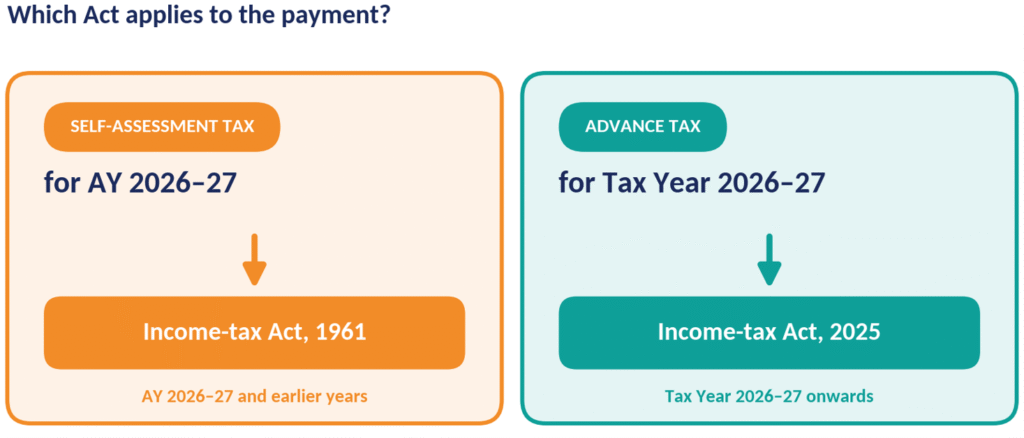
The Income Tax Department has specifically clarified this distinction for taxpayers using the e-filing system.
7. Has the Tax Regime Completely Changed?
No.
The replacement of the legislation should not be confused with the creation of an entirely new tax system.
Many familiar concepts continue, although their provisions and section numbers may change.
For example, the new tax regime for individuals and HUFs continues under the Income-tax Act, 2025, with the new Act providing the regime under Section 202. The new regime continues as the default regime, subject to the applicable provisions and option to opt out.
Therefore, students should not assume “New Act = Everything is new.” A better approach is:
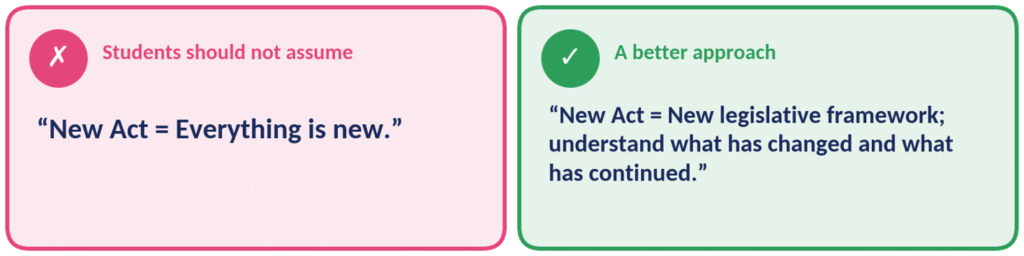
8. What Does the New Act Mean for Students and Finance Professionals?
The change creates a new learning requirement. A finance professional will increasingly need to understand three things:
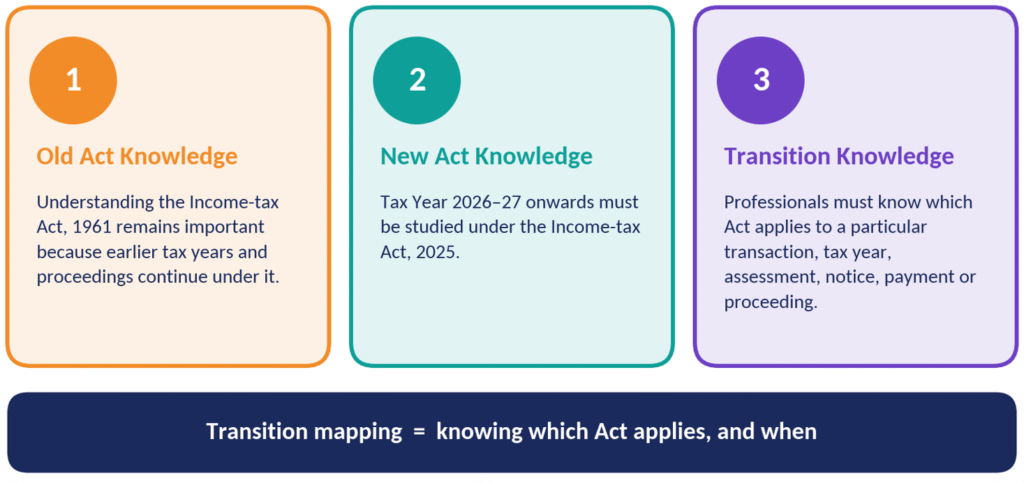
This makes transition mapping an important professional skill.
9. The Big Picture
The Income-tax Act, 2025 represents more than a change in section numbers.
It introduces a more streamlined legislative structure, replaces the Previous Year/Assessment Year terminology with the Tax Year concept, reorganises provisions and establishes a new framework for taxation from 1 April 2026 onwards.
At the same time, the law recognises that taxation cannot be reset from zero on a particular date.
Therefore, extensive savings and transition provisions preserve earlier rights, liabilities and proceedings.
The practical lesson is simple:

That is the starting point for understanding India’s new income-tax framework.
Quick Check

Thank u sir for this …. It was again a necessary and helpful blog for me.
Sounds like IT Act 2025 came with modifications not fully change the old one.
This info help us a lot 🙏🏻